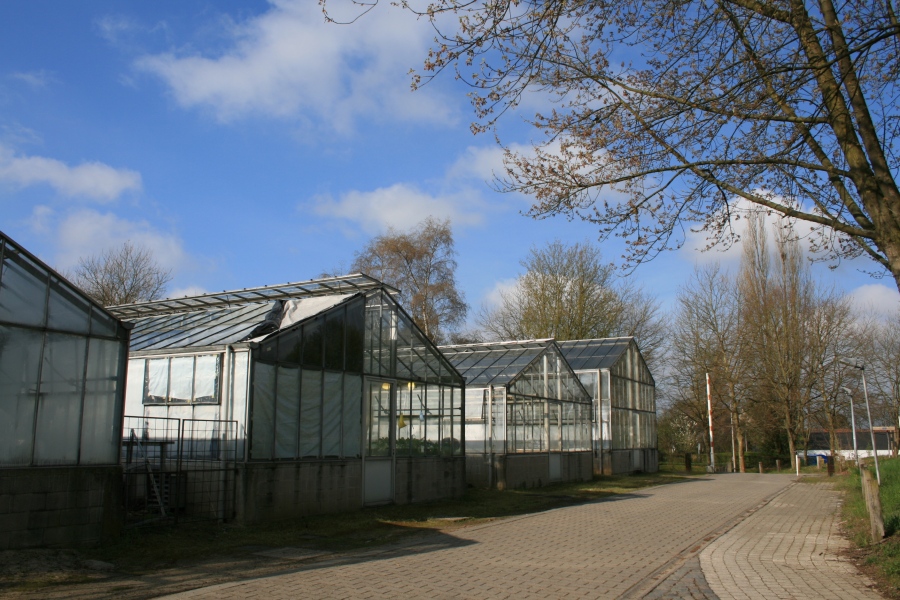
We worked for many years in the old greenhouses dating from 1974. Half of our research was side-stepped because of the poor conditions we had to put up with there. And then when we looked at the energy costs, it didn't take long to convince the university management to invest in a new infrastructure.
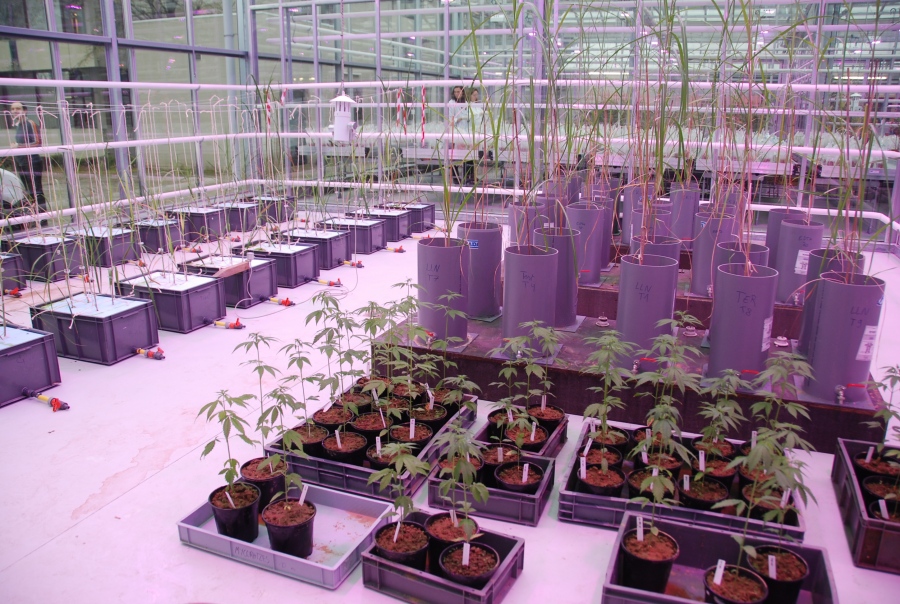
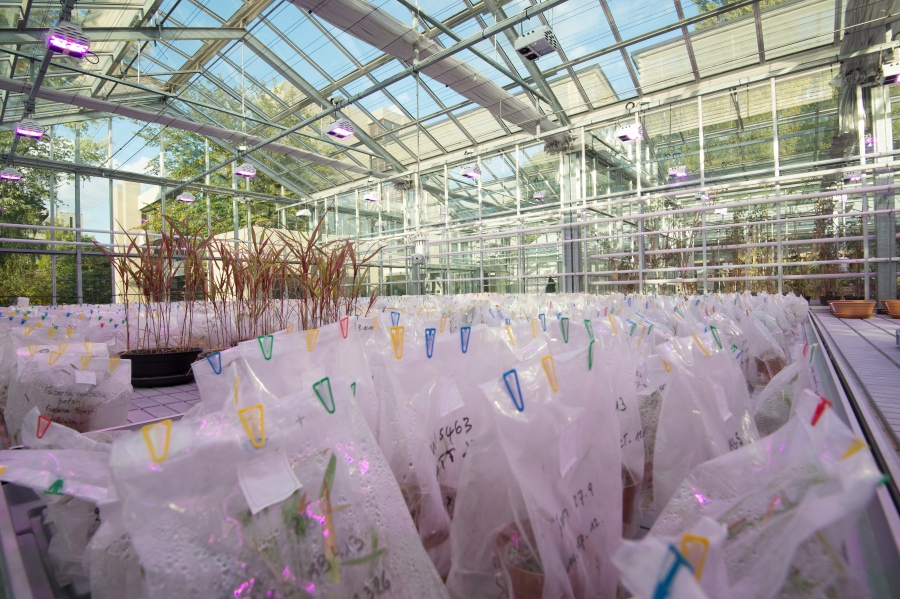
At the time, our new greenhouses were the most advanced in Europe! And the most visible example of our state-of-the-art equipment has always been the lighting. When the greenhouses were built, the LED lamps emitted a beautiful purple glow, which I personally miss a little. But in 2025, we changed the lamps, and the radiation from these new devices now gives the white appearance that we are familiar with today.
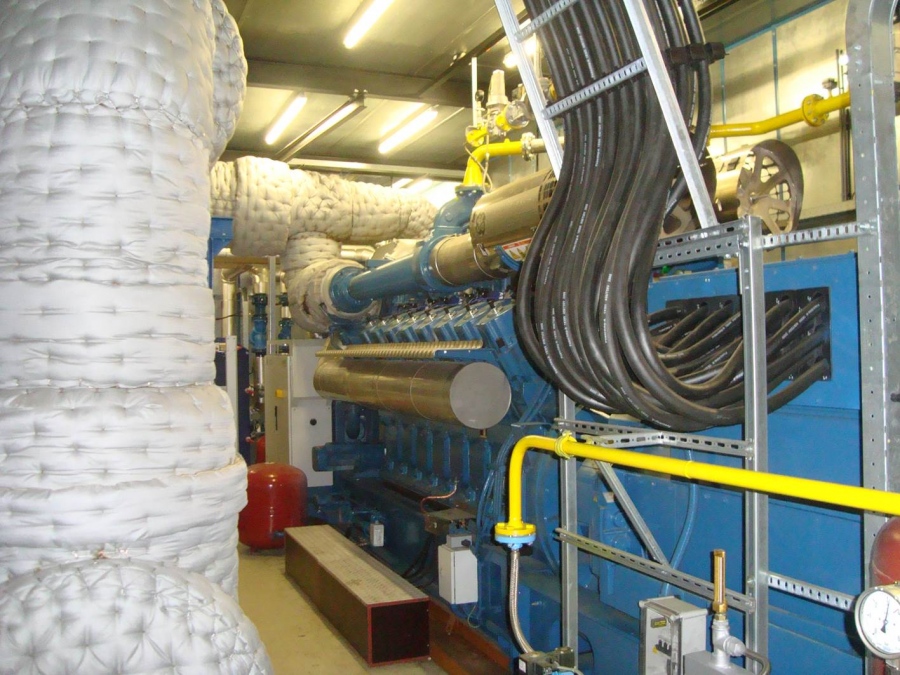
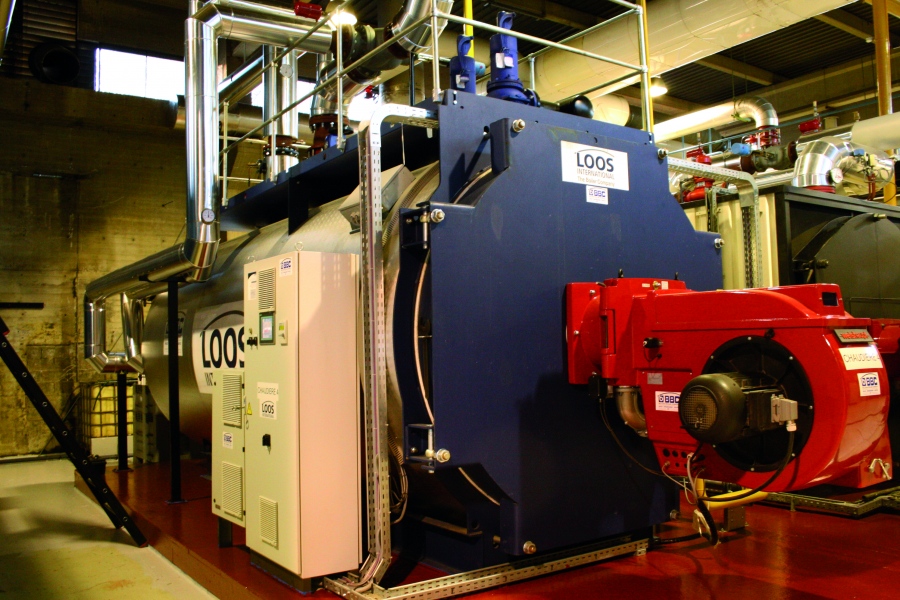
Anyway, we aren't the first ones to have used our know-how to set up innovative solutions... Did you know that the greenhouses are heated by an urban heating system, in fact like most of the university's buildings? This system was designed by our colleagues at the beginning of Louvain-la-Neuve, to obtain a better efficiency and to reduce the area to be built on compared to an individual heating system. A small cherry on the icing, the whole town is exclusively supplied with natural gas, and therefore does not emit any CO2 to heat itself!
Name
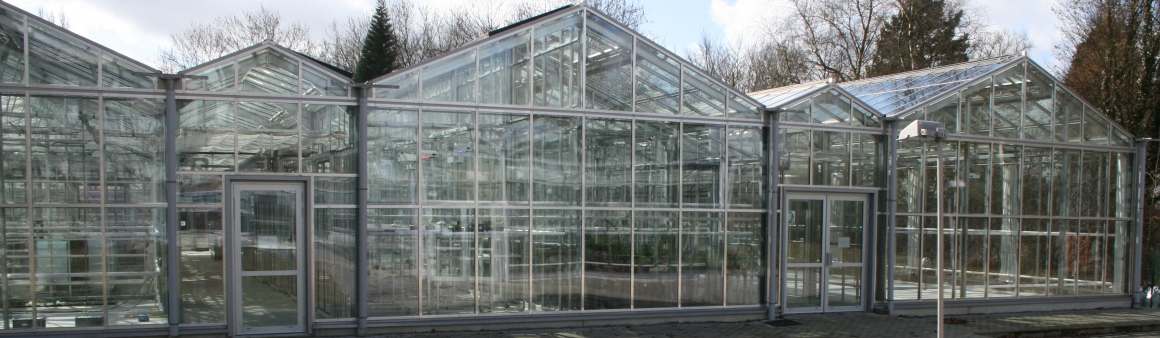
New UCLouvain greenhouses.
Date created
Opened in March 2014.
Construction company
De Graeve, based in Namur, specialising in passive construction projects.
Other constructions in Louvain-la-Neuve
Louvain-la-Neuve Local Authority Services.
Biéreau College.kindergarden department.
Function
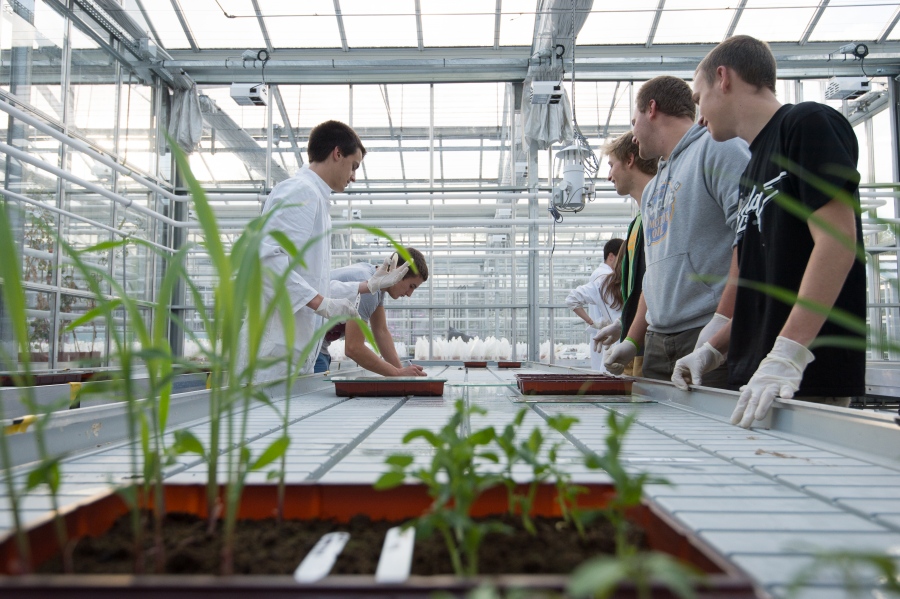
Place for teaching and research on the functioning of plants, micro-organisms and insects, used by several universities of the Wallonia Brussels Federation.
Characteristics
- 2000 m2 space using cutting-edge technologies for providing optimum conditions for research whilst complying with biosafety standards and limiting energy consumption.
- Double-glazing, insulated floor, reflective cover under the roof for conserving heat at night.
- LED lighting today uses, in addition to the red and blue light of 2014, far-red, green, orange, and a trace of UV. The combination of all these wavelengths produces a white light.
- Weather stations allowing the climatic conditions to be perfectly regulated and improved, and so also the research results.
- Moveable tables allowing the growing surface to be increased : the researchers can slide the tables in order to clear a way through to their workspace.
- Sealed frame and wastewater disinfection system allowing risks of contamination from the exterior to be limited, that allows transgenic or sick plants, or those living on polluted soils to be studied n complete safety.
Financing
3.5 million euros from the UCLouvain and just under a million euros from the National Scientific Research Fund.
To begin with
An old greenhouse, now dismantled, remained standing for a long time on the other side of the path, for comparison.
The hidden side
Urban heating
- Underground network, 3 km each way, which serves 300,000 m2 of the UCLouvain's buildings and housing, as well as some shops, residential buildings and private companies.
- Main plant room located on Théodore Schwann avenue in the Sciences district (building with the tower), secondary plant room located on Place Cardinal Mercier (Socrates building).
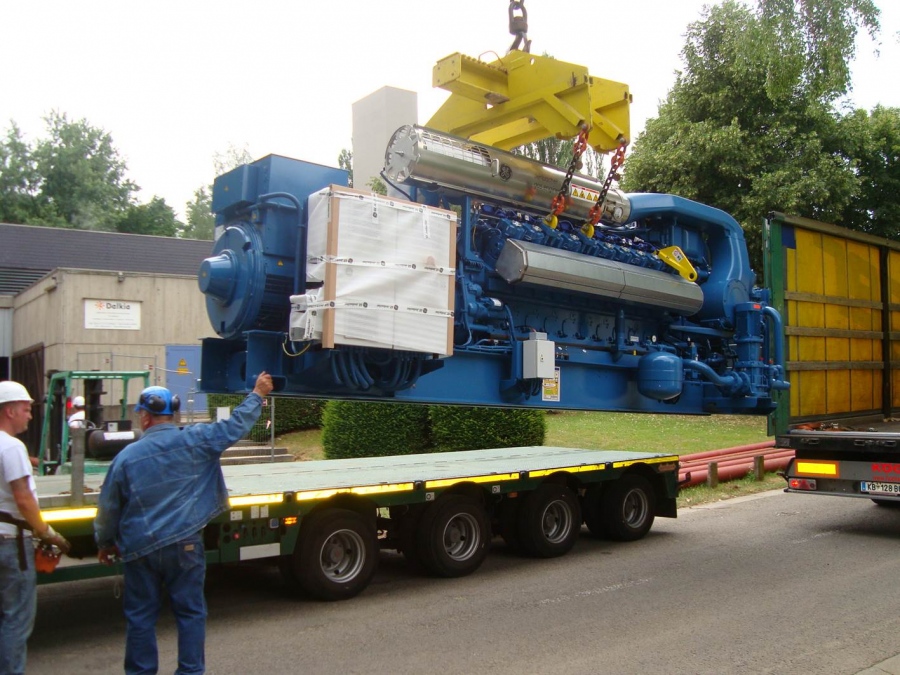
- Two natural gas cogeneration turbines producing both electricity and heat with a higher yield than if separate installations were used.
- The system supplies 60% of the UCLouvain's electricity needs and 40% of its heating needs (and sanitary hot water). As a bonus, it gives the possibility of receiving green certificates which are sold on the Wallonia energy market.
The little extra
The town of Louvain-la-Neuve is often associated with sustainable development, for a whole series of town planning decisions that were taken during its design. The main thrust of the argument at the time however often related to the economic and technical aspect. Though the whole town works on gas and fossil fuels (domestic oil and coal are prohibited), it is because we had to convince the electricity board, to provide a large capacity gas connection for supplying the urban heating system.